

I was making it all about me
In my conversation with Dan, he shared something most people would hide.
In 2013, after his first marriage ended, he came very close to taking his life three times.
He blamed himself for the breakup of his family and believed he had failed as a father.
At one point, he thought the best thing he could do for his kids was get out of their lives and leave them the life insurance money.
That is heartbreaking.
And not where Dan’s story ended.
Eventually, Dan joined a divorce care group and became one of the leaders, helping other people navigate the same kind of pain that had almost swallowed him.
When he talked about that, something clicked for me.
Not because my little stories compare to Dan’s.
They don’t.
Not even close.
But I recognized a pattern in miniature.
When I am self-conscious, I make myself the whole story.
When I pay attention to the person in front of me, I can relax and enjoy the thing I’m doing.

For years, I had this unconscious belief that I needed to be hyper-efficient at all times.
If I walked upstairs to grab my purse, came back downstairs, and realized I had forgotten my phone, I would immediately start scolding myself.
Seriously?
You forgot that?
I don’t live in a mansion.
We are talking about maybe ten extra seconds.
You’d think a few extra stairs would be a bonus.
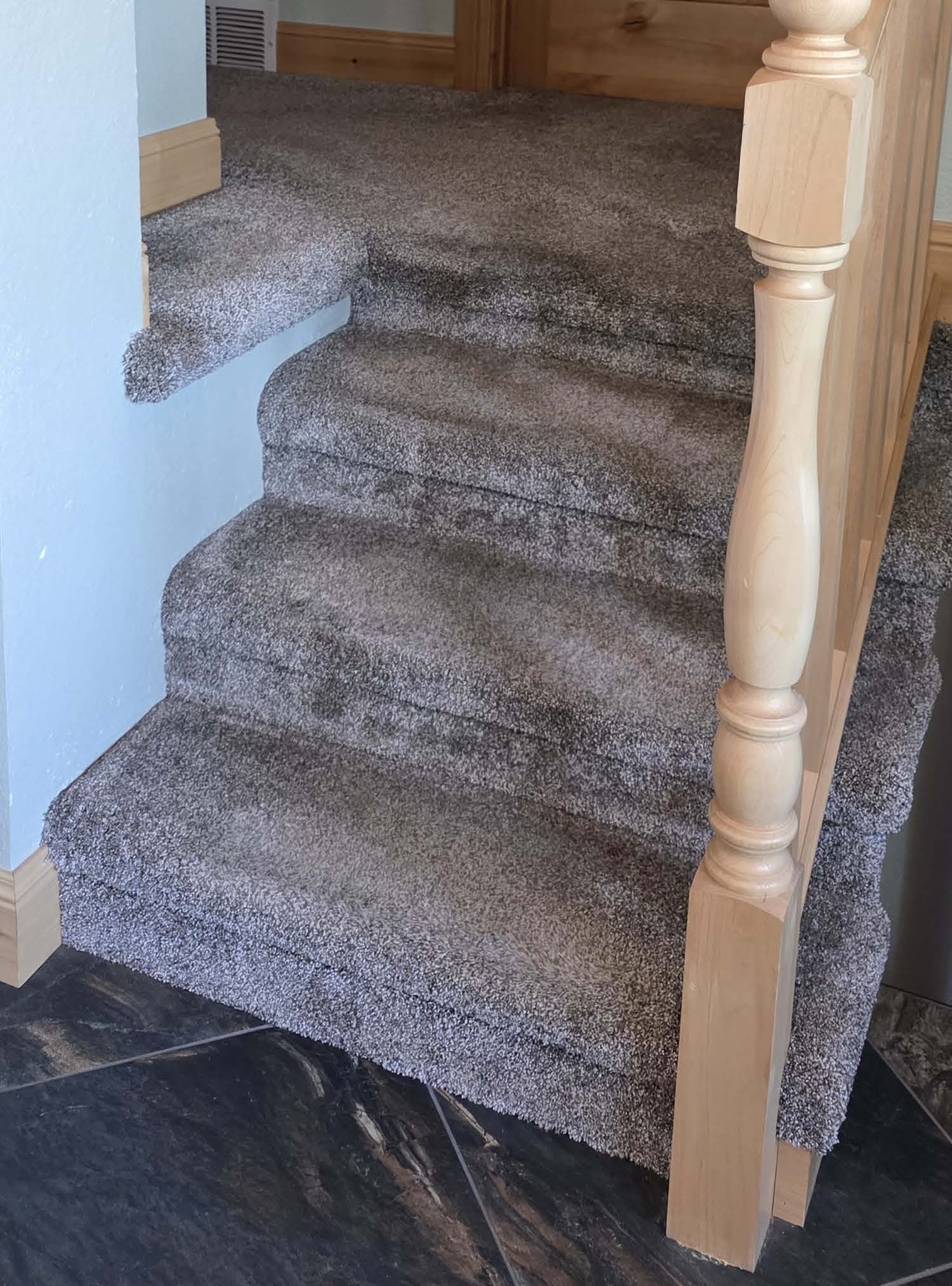
But no.
Apparently I needed to make it a character flaw.
Some part of me believed my worth came from what I produced.
If I couldn’t do every tiny thing efficiently, I had failed some invisible test.
Those tiny self-attacks add up.
They slowly train your brain to be mean to you.
The same pattern showed up when I was first getting ready to record podcast interviews.
A friend was coming over to be interviewed in 45 minutes.
And I was spiraling.
Should I even be doing this?
Should I hire someone else?
What if I’m terrible?
What if this proves I’m not really supposed to do this?
Tom finally looked at me and said, “You need to decide what you’re doing because she’s going to be here soon.”
Helpful.
Annoying.
Accurate.
So I went to take a shower.
Even if I didn’t know what to do, at least I knew I should be clean.
And standing there under the water, I realized something.
I was thinking entirely about myself.
How I would look.
How I would sound.
Whether I would sit correctly.
Whether I would move my hands too much.
Tom jokes that if someone tied my hands behind my back, I wouldn’t be able to talk.
He’s probably right.
I’m Greek.
The hands are part of the package.
But I thought a “real” interviewer was supposed to be still, straight, polished, and not distracting.
I wasn’t thinking about my friend.
I wasn’t thinking about the people who might watch her story and be inspired.
I was thinking about whether I could do it right.

And the moment I realized the difference, I felt calmer.
I could stop obsessing over myself and start paying attention to her.
Which is good...
because the interview was still terrible.
My producer later told me we couldn’t use the video.
Apparently trying not to move your hands does not create the relaxed conversation one dreams of.
But that bad interview helped me.
My producer could see what I was doing and coach me:
Use your hands.
Lean on the couch.
Be more yourself.
And suddenly, everything got easier.
Not because I became a perfect interviewer.
Because I stopped trying to prove something about myself and started focusing on the person sitting across from me.
That’s the piece I keep coming back to.
Self-consciousness feels awful because it makes everything about us.
My guest did not need me to sit perfectly still.
She needed me to care about her story.
And I couldn’t do that while obsessing over my hands.

Now, when I catch myself criticizing some tiny inefficiency, I try to reframe it quickly.
Forgot my phone upstairs?
Great.
Extra steps.
Apparently my fitness plan now includes forgetfulness.
And when the bigger swirl starts, I’m trying to pause and ask:
Am I making this all about me?
Who is the person on the other side?
What do they need from me?
Thinking about myself all the time makes me miserable.
Thinking about other people helps me come back to life.
So maybe this week, if you catch yourself feeling self-conscious or stuck in your own head, ask yourself who is on the other side and what do they need.
Then see what changes when you let them matter more than your own performance.
Let me know if you try it.
I’m learning with you.
With love,
Ariel
p.s. Thank you to Michael Ciaglo for the photo of Dan!