Life gave me a pop quiz
Last week, I had the honor of teaching at my friend Jerremy Newsome’s weekly mastermind, the Orchard.
You may remember Jerremy from his Unexpected Happiness episode.
He helps people grow strong roots for their money orchard, which I love because he actually wrote a book called Money Grows on Trees.
I was teaching about money and happiness, and the idea I was most excited to share was this:
You don’t have to wait for a certain number in your bank account to feel free and secure.
That used to be my plan.
Freedom and security through control and cash.
And honestly, I was pretty good at both.
I had my emergency savings account, my lawyer brain, my business owner brain, my 401(k), my contingency plans, and contingency plans for my contingency plans.
I spent years trying to feel safe by anticipating every possible thing that could go wrong and figuring out how I would prevent it, fix it, or manage it. I’d have 5 sheets of scratch paper covered in my tiny handwriting documenting all of it.
What I finally learned is that freedom and security do not come from having a plan for every scary thing that could possibly happen.
They come from trusting yourself to handle what happens, when it actually happens.
So there I was, getting ready to teach this beautiful lesson.
And about 45 minutes before the class started, life gave me a pop quiz.
Spoiler alert . . . I failed.
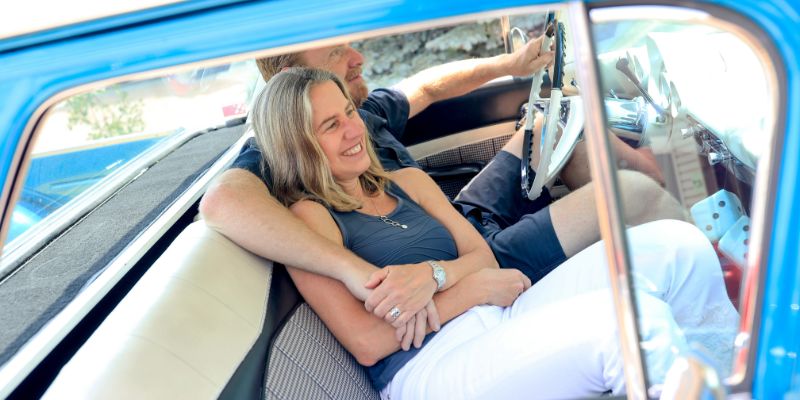
Tom was handling a car project.
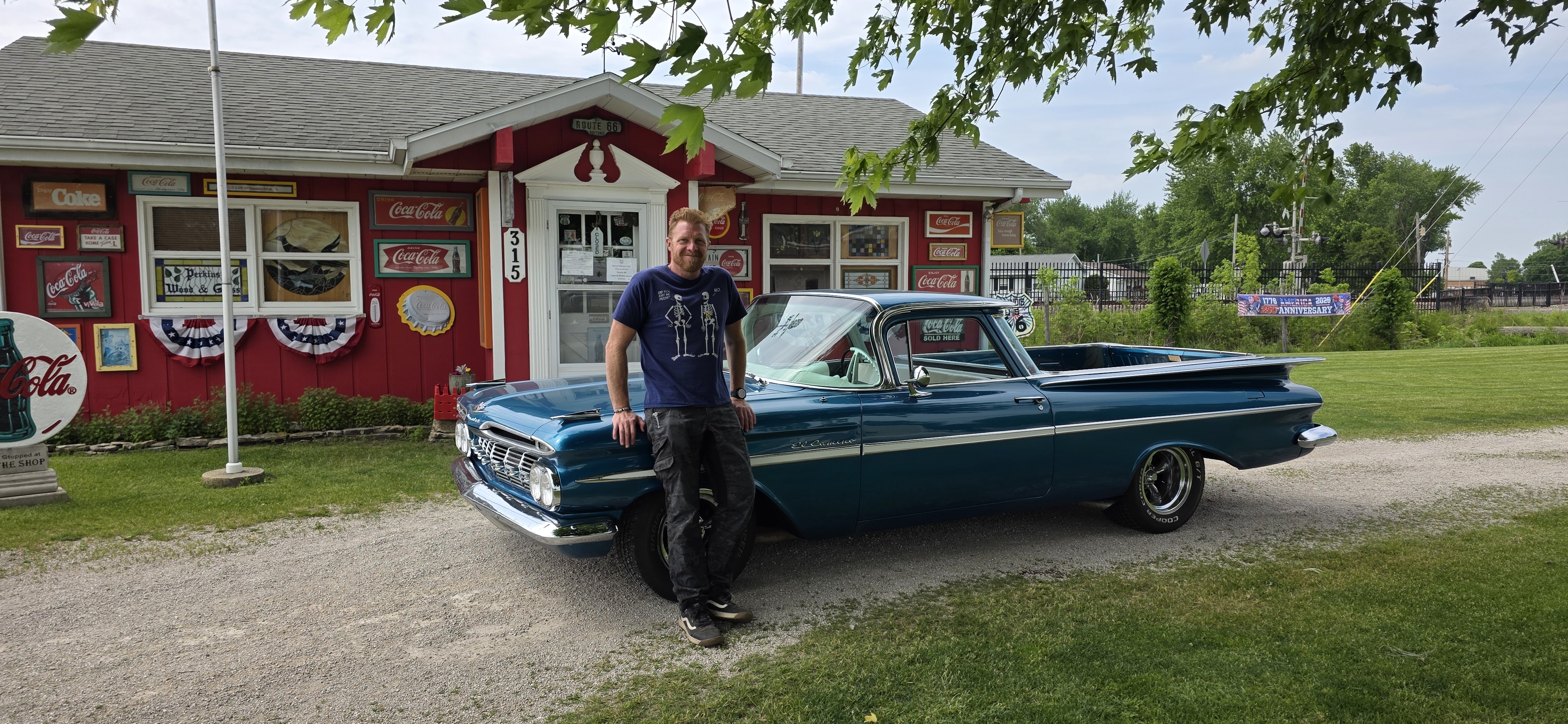
No one was bleeding.
Nothing was on fire.
No one had asked for my help.
And yet, I saw a way it could go wrong and decided to offer some unsolicited advice.
I’m sure you can imagine how this went.
Tom looked at me and said, “I’ve got this handled.”
Oof.
There it was.
I was about to teach people that they did not need to control everything around them in order to feel safe, and I was micromanaging my husband over a car project.
Right now?
I felt embarrassed.
I felt annoyed that I was still doing the thing I was literally about to teach people not to do.
But because I noticed it quickly, I could repair it quickly.
I gave him a minute.
I gave myself a minute.
Then I went back in, hugged him, and told him I was sorry.
And honestly, I needed the hug too.
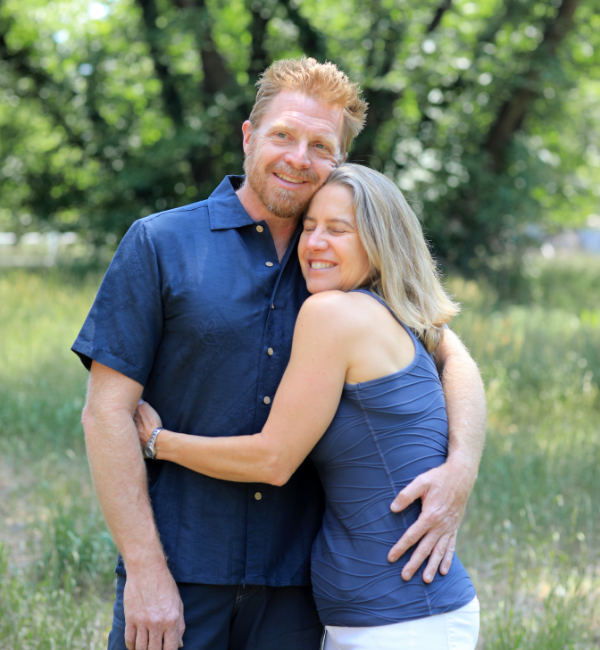
Sometimes repair is not only about reminding the other person that you care.
Sometimes it reminds you that they still care about you too.
Then, a few days later, we got a bigger opportunity to practice.
Some of Tom’s bloodwork and blood pressure numbers came back slightly concerning.
Old Ariel would have built a command center.
There would have been research, notes, possible doctors, possible tests, possible outcomes, and another stack of scratch paper covered in chicken scratch.
Newer Ariel did something different.
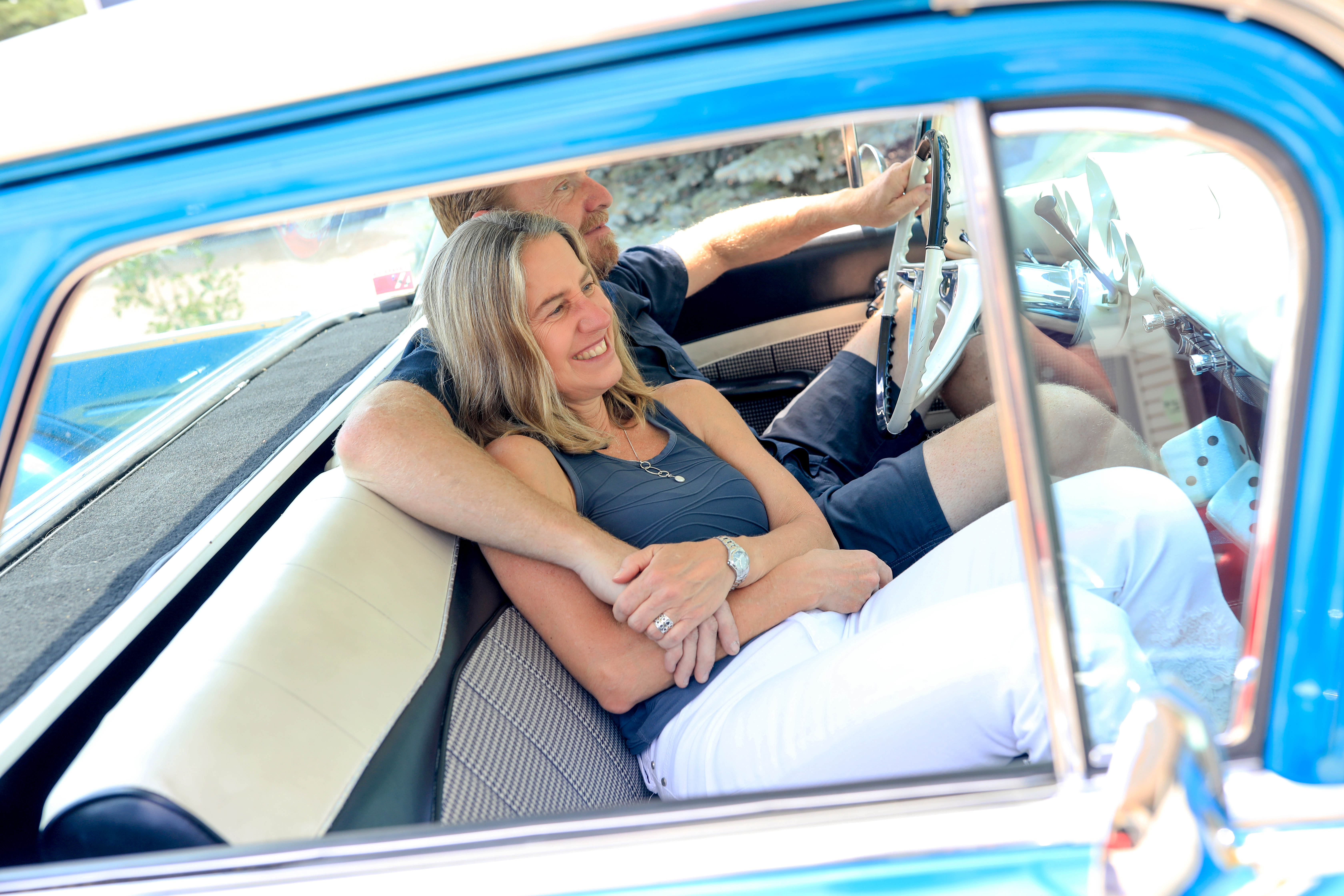
I looked at Tom and said, “Honey, I don’t know what the answer will be, but I know we always figure things out.
Whatever this is, I’m with you.”
I felt calmer as soon as I said it.
He looked at me, and I could see that he believed me.
Then we each took one or two small steps to get more information.
And then we let it go.
That is the part that still feels almost unbelievable to me.
We let it go.
Not because we didn’t care.
Because we had done what we could do for that moment.
And we didn’t have enough information to do anything else.
That is where I used to get myself in trouble.
I would take 10% of the information and build a 100-step plan around it.
I thought I was protecting us.
Instead, I was exhausting myself.
And that is not freedom.
That is not security.
The real security came from remembering:
We have handled hard things before and we made it through them.
That is one of the things I taught in the Orchard.
Collect evidence.
Think of something hard you once didn’t know how to handle.
At the beginning, you probably didn’t know exactly what to do.
But you figured something out.
Maybe help showed up.
Maybe a person appeared.
Maybe you became stronger because you had to.
That experience is evidence.
Evidence that you can handle hard things.
Evidence that you do not need every answer before you even know the question.
Evidence that you can live your life until the next hard thing actually shows up.
So maybe this week, instead of trying to plan your way into feeling safe, collect some evidence.
Ask yourself:
What have I already handled?
What did I figure out?
Who or what helped me?
What does that prove about me?
Then let that evidence do its job.
Not because hard things won’t happen.
Because when they do, you will be there.
And you can trust the person who will be dealing with it.
With love,
Ariel